
General Liability
What is Commercial General Liability Insurance?
Commercial General Liability (CGL) Insurance helps safeguard you and your business against financial loss if you’re held legally responsible for bodily injury or property damage to a third party resulting from your products or services.
Competitive and Affordable Rates
We offer competitive quotes by comparing top insurance providers. Our team is committed to understanding your business needs and delivering the best possible rate—helping you protect your business while keeping costs manageable.

Worker’s Compensation
What is Workers’ Compensation Insurance?
Workers’ Compensation Insurance provides wage replacement and medical benefits to employees who are injured or become ill due to job-related activities. In return, employees typically forfeit the right to sue their employer for negligence.
Why Workers’ Compensation Insurance Matters?
This mandatory coverage supports both you and your team. If an employee suffers a work-related injury or illness, Workers’ Compensation can help cover:
Medical expenses
A portion of lost wages
Funeral costs in the event of a work-related fatality

Contractor’s Bond
What is a Contractor’s Bond?
A Contractor’s Bond is a legally binding agreement that ensures a contractor fulfills their obligations under a construction contract. If the contractor defaults, the bond guarantees repayment to the bondholders, covering the principal and any associated costs. This type of bond is also known as Financial Guaranty Insurance.
Who Needs a Contractor’s Bond?
Contractor bonds are essential for construction professionals working on both private and public projects. These surety bonds provide assurance to project owners that the contractor—referred to as the principal—will complete the job as agreed. They also protect against financial loss due to poor business practices or failure to meet contract terms, helping build trust and ensuring compliance.

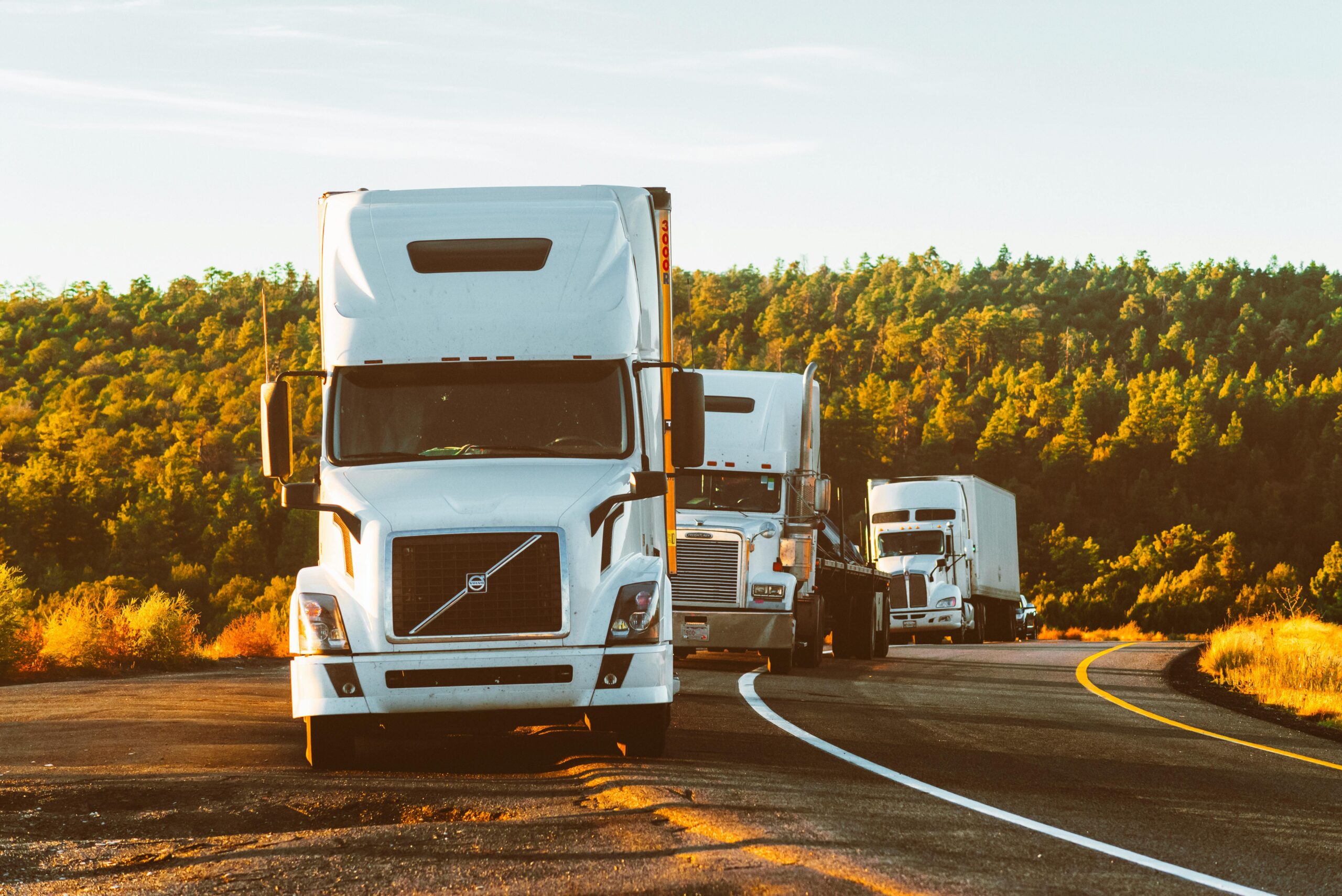
Commercial Vehicle
Do You Need Commercial Auto Insurance?
You may require a Commercial Auto Insurance policy if you:
- Use your vehicle to perform work-related services
- Need higher liability coverage due to the nature of your business
- Transport heavy tools, equipment, or tow a trailer for business purposes
Will Personal Auto Insurance Cover Business Use?
Typically, personal auto insurance does not cover vehicles primarily used for business purposes. Even if an employee’s personal policy offers limited coverage for occasional business use, it won’t extend to vehicles owned by a business or those consistently used for work. To ensure proper protection, a Commercial Auto Insurance policy is essential.
Home/Renter’s Insurance
What is Home Insurance?
Home insurance provides coverage for your residence and any attached or detached structures, such as garages or sheds. If you’re renting, your landlord’s policy typically covers the building itself, while a renters insurance policy protects your personal belongings.
Protect Your Most Valuable Investment
Having the right homeowners insurance policy can shield you from financial loss due to events like fire, theft, vandalism, and other covered incidents. It also offers liability coverage if someone is injured on your property and you’re held legally responsible.

Umbrella & Excess
What’s the Difference Between Umbrella and Excess Liability Insurance?
Although often confused, umbrella and excess liability insurance serve different purposes. Both are designed to extend your coverage beyond the limits of your primary policies, but they do so in distinct ways:
- Excess Liability Insurance increases the limits of an existing policy. It only applies if there’s an active underlying policy and doesn’t expand coverage types.
- Umbrella Insurance also boosts liability limits but can cover additional risks not included in your base policies, offering broader protection.

Personal Auto
Liability
Liability car insurance—also known as liability coverage—helps cover the costs of property damage and medical expenses for the other party if you’re at fault in an accident. Your insurer will pay up to the policy’s coverage limits.
Collision Coverage
Collision insurance helps pay for damage to your vehicle after an accident, even if you’re at fault. It’s typically added to a basic auto policy and covers repair or replacement costs resulting from a collision.
Comprehensive Coverage
Comprehensive insurance covers damage to your vehicle from non-collision events, such as theft, fire, vandalism, or falling objects like hail or tree branches. It’s often referred to as “other than collision” coverage and helps repair or replace your car in these situations.
Personal Injury Protection / Medical Payment
Personal Injury Protection (PIP) helps cover medical expenses and lost wages for you and your passengers after a car accident, regardless of who’s at fault. PIP is optional in most states but may be required in some.
Uninsure / Underinsured Motorist Protection
Uninsured motorist coverage helps pay for your medical bills or vehicle repairs if you’re hit by a driver with no insurance.
Underinsured motorist coverage kicks in when the at-fault driver has insurance, but not enough to cover all your expenses.

